
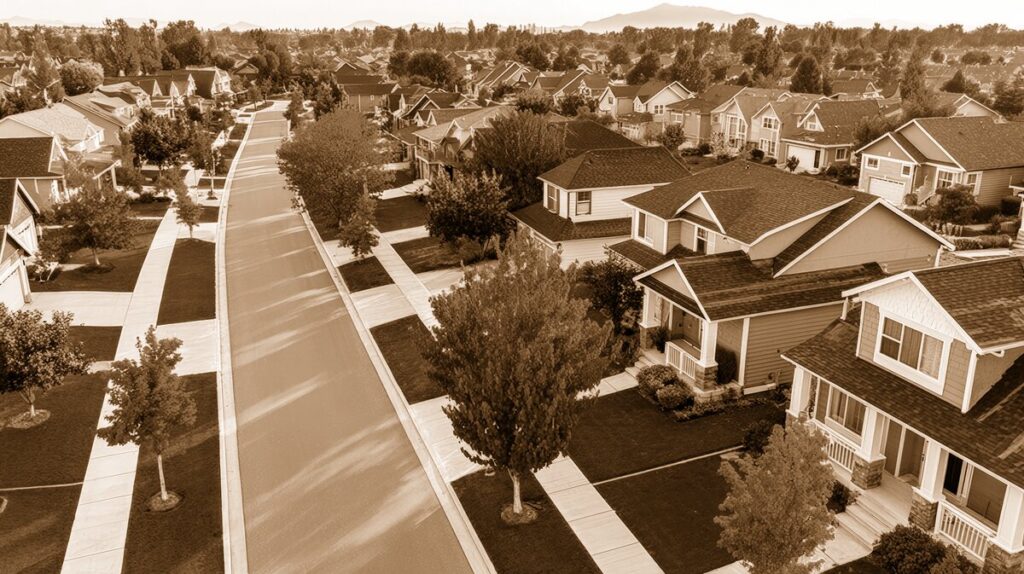
Heights Park, nestled in the heart of Richardson, TX, is much more than just a residential enclave—it’s a living testament to the area’s growth and heritage. With tree-lined streets, charming mid-century homes, and a spirit of community that seems to echo through every corner, Heights Park has become a cherished neighborhood, both for longtime locals and newcomers eager to experience a piece of Richardson history. Let’s take a stroll back in time to discover what makes Heights Park so special.
Origins: The Story Behind Heights Park
The land that now forms Heights Park was once open prairie and farmland, part of the sprawling North Texas landscape that attracted settlers in the 1800s. By the early 1950s, as Dallas began booming post-World War II, Richardson saw its own transformation from a quiet agricultural town to a growing suburb.
Developers recognized the appeal of the gently rolling terrain just north of Belt Line Road and decided to create one of Richardson’s earliest master-planned neighborhoods. The founders saw promise in the “heights” of the landscape—its subtle elevation and the sense that this was a place above the ordinary. The name Heights Park was thus born, capturing both a geographic and aspirational spirit.
Ground broke in the mid-1950s, and homes quickly sprang up along streets like Ridgedale Drive, Lockwood Drive, and Heights Drive. The neighborhood was designed to be walkable, friendly, and full of green spaces, standing in contrast to the more densely packed developments emerging elsewhere in North Texas.
Key Historical Milestones
As families moved in and children played beneath grand pecan and oak trees, Heights Park began to define itself through key moments:
- 1955: The first homes are completed, attracting young families seeking quiet, tree-lined streets within commuting distance of Dallas.
- 1958: Heights Park Elementary opens, cementing the neighborhood’s status as family-friendly and establishing a sense of continuity for local children.
- 1960s-70s: As Richardson’s tech industry (anchored by nearby Telecom Corridor) grows, Heights Park becomes a sought-after address for professionals working at companies like Texas Instruments and Collins Radio.
- 1980s-90s: The neighborhood navigates suburban changes but remains remarkably resilient—residents band together to preserve local parks and maintain the integrity of classic ranch-style homes.
- 2000s-present: New generations discover Heights Park’s vintage appeal, restoring homes and revitalizing the community through events like neighborhood garage sales and outdoor movie nights.
Notable Landmarks and Institutions
Heights Park has a few treasures that residents and visitors alike hold dear:
- Heights Park (the green space): The namesake city park, stretching between Floyd Road and Dogwood Drive, is the community’s social heart. With tennis courts, a pool, sprawling sports fields, and playgrounds shaded by mature trees, the park draws neighbors of all ages. Every summer, laughter fills the air at the Heights Family Aquatic Center.
- Heights Park Elementary School: Still operating at the corner of Floyd Road and Ridgedale Drive, this school not only serves students but also provides a hub for neighborhood meetings and celebrations.
- Historic Homes: Many houses along streets like Lindale Lane, Frances Way, and Greenleaf Drive maintain the original ’50s ranch and mid-century style. A walk through these streets is a nostalgic return to the optimism and design sensibility of postwar America.
- Friendship Park: Just a short walk away, this quaint green spot hosts impromptu picnics, and it’s not uncommon to see a neighbor walking their dog or reading under the shade.
Evolution Through the Decades
One of the remarkable things about Heights Park is how its sense of identity has endured even as the city around it has changed:
*In the 1950s and ’60s,* Heights Park was the essence of suburban promise—new houses, backyard barbecues, block parties, and a neighborhood school within easy walking distance. The Richardson Heights Shopping Center on Belt Line Road became a local gathering spot, with its community events and classic storefronts.
*By the 1970s and ’80s,* the neighborhood had matured. Original families watched their children grow up and graduate, while new faces brought fresh energy. The emergence of the nearby Telecom Corridor drew residents from around the country, adding layers and diversity to the neighborhood’s character.
*Today,* Heights Park is a blend of old and new. While some of the original homeowners remain, many houses have been lovingly updated by young families and professionals drawn to the neighborhood’s location, community feel, and historic ambiance. The Richardson City Council’s commitment to park development and local infrastructure has preserved the area’s walkability and greenery—a rarity in the sprawling Metroplex.
What Makes Heights Park Special
Heights Park embodies that rare combination of nostalgia and vibrancy. Here’s what residents often say sets this neighborhood apart:
- Community Spirit: Neighbors look out for one another, and it’s not uncommon to see annual block parties, holiday decorating contests, and disaster relief efforts orchestrated by locals.
- A Sense of Place: Few suburbs retain their original character like Heights Park. The mid-century architecture, towering trees, and gentle hills give the area an unmistakable atmosphere.
- Accessible Amenities: With schools, parks, a swimming pool, and easy access to the shops and restaurants of Richardson Heights and beyond, it’s possible to enjoy much of daily life without venturing far from home.
Looking Toward the Future
As Richardson continues to grow, Heights Park remains a proud anchor—welcoming to all, firmly rooted in its heritage, and always looking for ways to strengthen the bonds of community. Whether you’re a longtime resident or curious newcomer, a stroll down any of Heights Park’s leafy streets reveals history in motion, alive and well in the heart of Richardson, Texas.